
Marine Survey
Oceanographic instruments, echo sounders, and equipment for coastal and offshore surveys.


Arc-boat
The Arc-boat is a remotely operated hydrographic survey vessel manufactured by HR Wallingford, designed for river and channel surveys in conditions where a manned craft would be impractical or unsafe.
 OSIL · UK
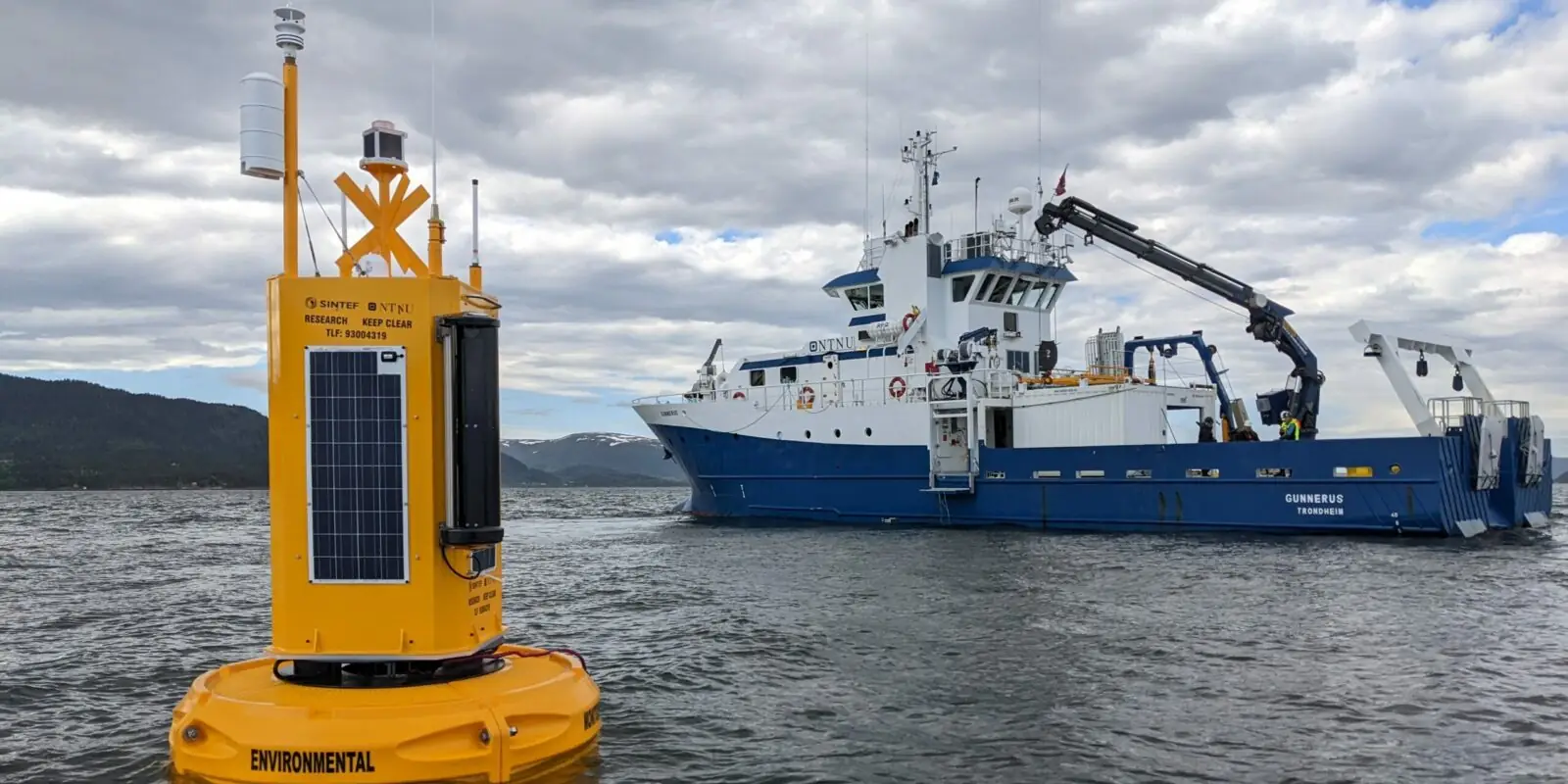
1.9m Metocean Buoy (Fulmar)
OSIL’s Fulmar Buoy is a versatile instrumentation platform ideally suited for collection and measurement of oceanographic, meteorological (metocean) and water quality data parameters in inshore coastal areas, as well as open water applications. Instrumentation can be deployed anywhere from near surface to the seabed. The data buoys can be moored in a fixed position with either single point, dual point or compliant mooring (where required). The system is supplied with a range of sensors that can specified by the customer (including CTD, DO, pH/ORP, Turbidity, Chlorophyll, Rhodamine, current speed/direction, wind speed/direction, temperature, humidity, pressure, rainfall, and solar radiation as well as a GPS locator). All buoys are fitted with solar panels, navigation/warning lights and other markings as necessary. A range of telemetry options are available (UHF/VHF, GSM, GPRS, Satellite), selected to suit both the location and application requirements. OSIL provide a complete data telemetry solution, including either desk top or web-based software packages to access the data. The buoys are 1.9 m in diameter, with a total buoyancy of 2000 kg, and have a reserve buoyancy of 1000 kg after fitting the equipment such as solar panels, battery packs and monitoring instrumentation, etc. The OSIL range of buoys are manufactured using rotationally moulded polyethylene hulls, which are foam filled for added security. The hulls are constructed around a galvanised steel or welded polyethylene central structure, which has a large hole through the centre which allows the passage of instrumentation and cables from the tower down through the water column to the seabed. By utilising a ‘Moon Pool’, instrumentation in the centre of the buoy is well protected from damage during deployment and operation.
 Nortek Group · Norway
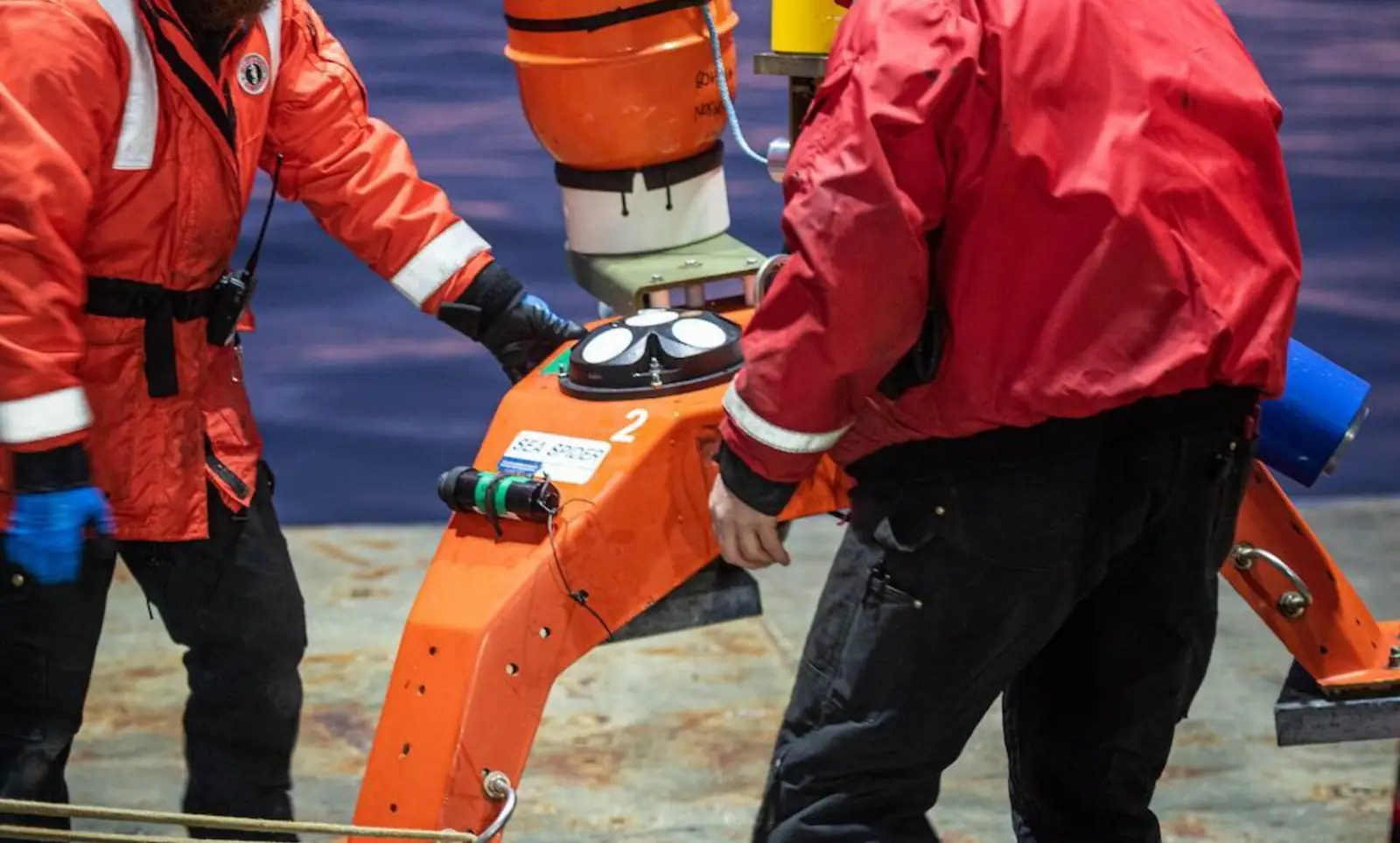
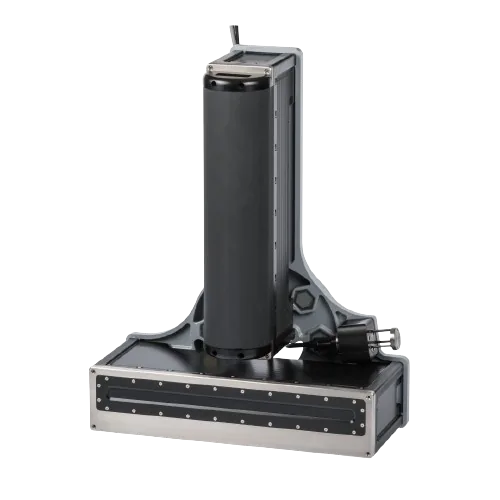
Signature 500
The Signature 500 ADCP is designed for flexibility. It measures current profiles at up to 8 Hz sampling frequency. It can also measure direct vertical velocity profiles, wave height and direction, and acoustic ranging to ice. The center beam also functions as a biological echosounder, enabling high-resolution measurements of biomass in the water column. All these features can be combined using Nortek’s patented concurrent mode technology.
 R2SONIC · USA
Sonic® 2026-V
Multibeam Echosounder Ideal for advanced hydrography, research & seafloor characterization, on surface vessels, ROV or AUV
 CHELONIA Limited · UK
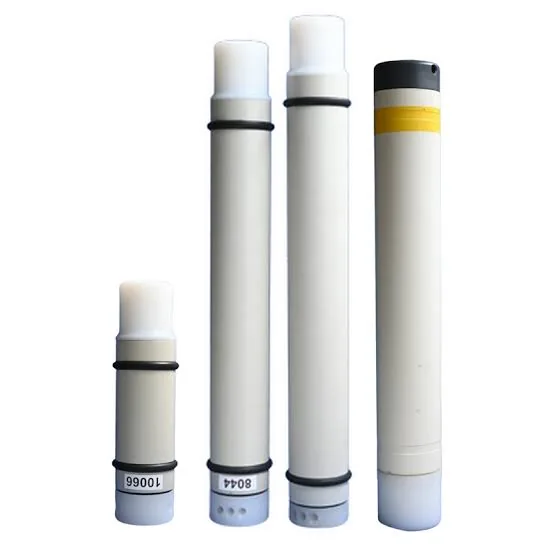
F-PODs
F-PODs detect all odontocetes – toothed cetaceans – except the Sperm Whale. This is a Boto (Inia geofrennsis) in the Amazon It would be very useful to be able to distinguish it from the Tucuxi (Sotalia fluviatilis) At present, the KERNO-F classifier places trains in ‘NBHF’ (porpoise-like narrow band high frequency clicks), ‘Other cetaceans’, ‘Boat sonars’ or ‘Unclassed’. Work is proceeding on how to distinguish species in many places where it would be useful. The information produced by the F-POD on where clicks are within trains and where trains are within encounters is very significant for this.
 Aquarian Hydrophones · USA
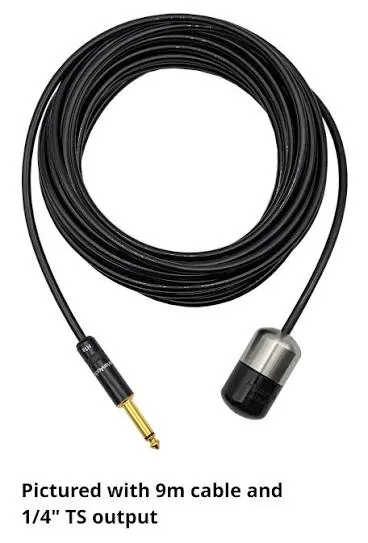
H1a Hydrophone
The H1 delivers high-quality audio performance in our most durable design. It is intended for use with high-impedance microphone or instrument preamps, such as the Honeytone. The H1a provides very good sensitivity and low noise across the human auditory range. Its streamlined shape and high specific gravity help maintain a stable working depth in moving water. A compact form factor and flexible cable make it highly portable and easy to use.
 Maritime Survey Australia · Australia
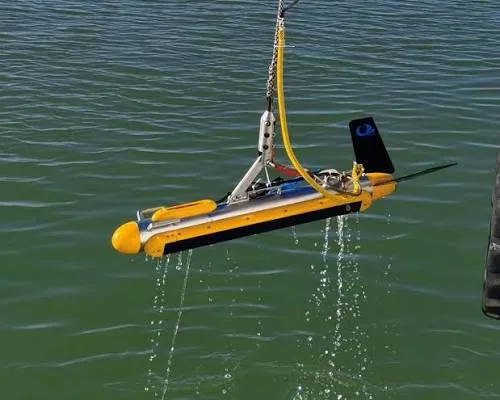
Remus 100
Maritime Survey Australia completed an NSCV Gap Analysis review for the operation of the AMC Search Remus 100, an Autonomous Underwater Vehicle (AUV). As the National Standard for Commercial Vessels (NSCV) does not cover Autonomous Underwater Vehicles, the NSCV Gap Analysis review was used to apply to AMSA for a Specific Exemption from the requirement for the Remus 100 to be issued with a Certificate of Survey and Certificate of Operation. This has now been issued by AMSA permitting AMC Search to operate the AUV as a commercial vessel. This is emerging technology which the NSCV has not yet caught up with however through the review and engagement between MSA and AMC Search we were able to present an outcome that was accepted by AMSA. Autonomous Underwater Vehicles are used to perform tasks including making charts of the seabed, and collecting seawater information and other data related to the undersea environment. The REMUS 100 AUV is a compact AUV which contains sophisticated sensors, and navigation and power resources enabling it to perform intricate sonar and oceanographic surveys over large areas.